The Risk You Cannot See Until It Bites
You can see a trip hazard. You can see an open edge.
Bad temporary power gives you nothing to look at until the moment it hurts someone, and on an event site there is a lot of it: generators, distribution boards, three-phase feeds, and cable runs measured in kilometres, all of it thrown up in a few days and stripped out just as fast.
Get electrical safety wrong and you are risking two things at once. A shock or electrocution to a worker or an attendee, and a fire that starts in an overloaded board or a damaged cable and spreads through a site full of fabric, timber and people.
This is a companion piece to our wider article on engaging with the HSA on your event site. It works on its own too, as a practical look at temporary power distribution, generators and cabling, and at the things that tell us a site has the electrics under control.
Temporary Power Is Its Own World
A qualified electrician is not automatically the right person for an event.
Temporary event power has demands that a domestic or commercial installer may never have met. The source is a generator, not the grid. The earth has to be engineered on site, with no building to inherit it from. The whole distribution goes up in hours and then lives outdoors in the weather.
This is why event power has its own standard.
In the UK, temporary electrical systems for events are built to BS 7909, the code of practice for temporary electrical systems for entertainment and related purposes, alongside the wider wiring regulations. The current edition is BS 7909:2023, with a 2024 amendment.
It is a British standard, and other jurisdictions have their own equivalents, but it is widely treated as a reference point across the industry. The detail matters less to an organiser than the principle: event power is a specialism, and the person running it has to know this particular world, not simply hold a general electrical qualification.
Someone Competent Owns the System
The most important question on the whole topic is who is in charge of the electrical system.
Not the person who wired up one board. The person who owns the whole distribution and is accountable for it being safe. BS 7909 gives this person a name, the Senior Person Responsible, and the idea is sound whatever you call it.
One electrically competent person holds the design, oversees the install, signs it off as tested and safe before anyone draws load, and stays accountable while it runs. On a large or complex distribution that is not optional. On a small, simple setup the bar is lower, but someone still has to own it.
When we ask a site who the responsible person for the electrics is and get a clear name and a straight answer, that is a good sign. When the answer is a shrug, or three different contractors each pointing at the others, the system has nobody holding it.
Generators, Earthing and the Thing Organisers Miss
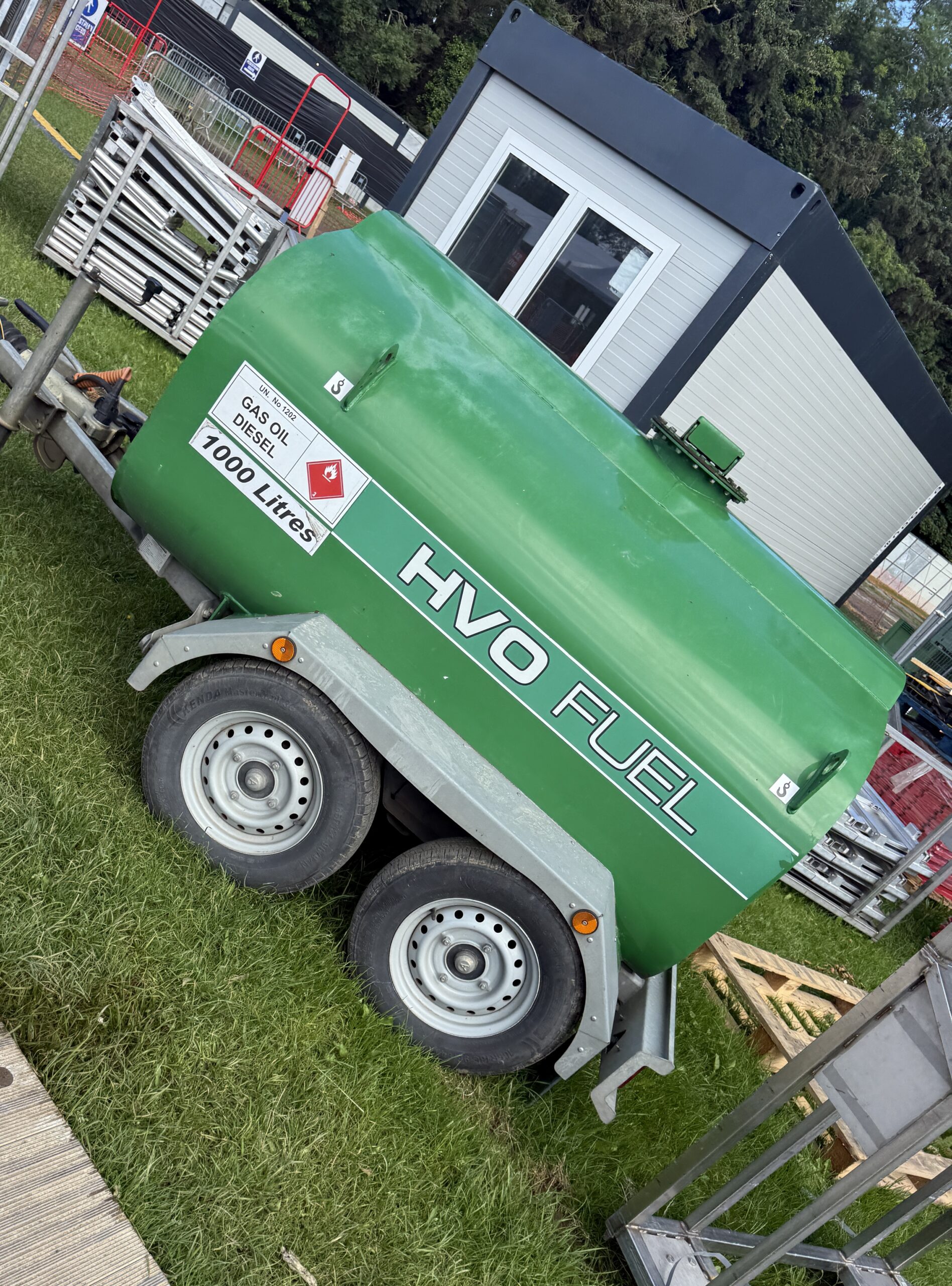
Generators are the heart of most outdoor event power, and they bring a risk that is easy to overlook because it is invisible. Earthing.
When a generator feeds a temporary system, the earth has to be created on site, because there is no building to inherit it from. Often that means an earth electrode driven into the ground, arranged so a fault has a path back and the protective devices trip the way they are meant to. Get this wrong and the protection that is supposed to save a life does not operate when it is needed.
An organiser cannot test this and should not try.
What an organiser can do is the simple, physical stuff. Generators sited on stable, level ground, away from where crowds gather, properly ventilated, and refuelled by people who know what they are doing. The technical earthing belongs to the competent person. The siting and the housekeeping around it are things anyone can look at.
Cables Are Where It Goes Wrong on the Day
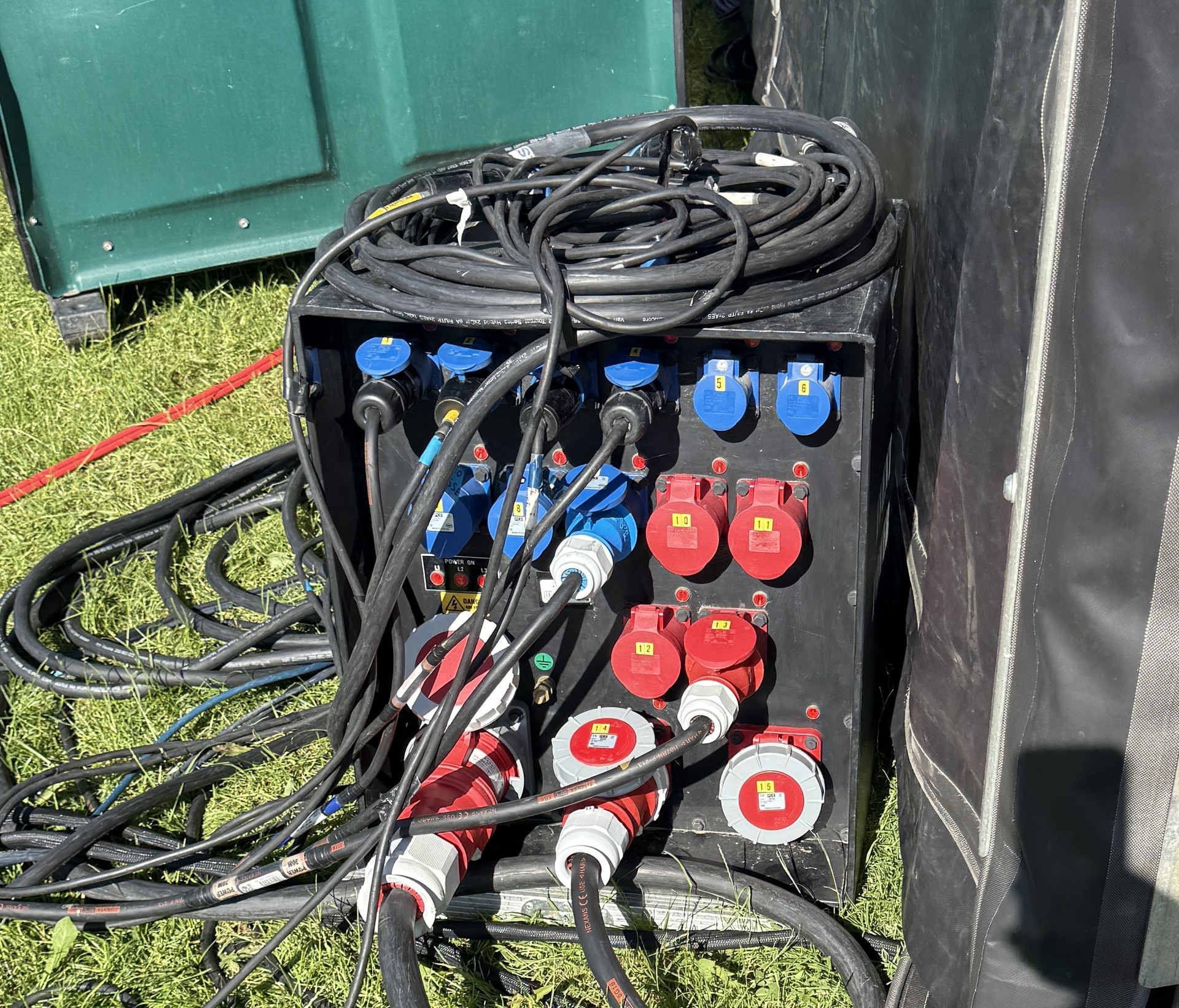
Most of what an organiser can actually see comes down to cable. There is usually more of it than anything else on a site, it is the part most exposed to damage, and it sits exactly where people walk and vehicles drive.
Good cable management is unglamorous and tells you almost everything:
- Off the ground or properly protected. Cables suspended overhead at the right height, or run through ramps and covers where they cross routes, not snaking loose across a walkway.
- Away from water. Connectors kept out of puddles and off wet ground, with weatherproof, IP-rated fittings on anything outdoors.
- Protected from vehicles. A cable a forklift can run over is a fault and a fire waiting to happen.
- Not a trip hazard. Routes kept clear of where people walk, and what cannot be moved made obvious.
- Checked while the event runs. Cables get knocked, dragged and rained on, so someone walks them during the event, not only at install.
A site with cable run with care is usually a site that has taken the rest of the electrics seriously too. The cable is the part you can read without a meter.
Test, Certify and the Paper That Proves It
Before anyone draws load, the temporary system should be inspected and tested, and that work produces paperwork.
For a complex distribution that means completion certification and schedules of test results that record what was installed and that it passed. Portable equipment that vendors and performers bring on site should carry its own evidence of testing.
An organiser does not need to read a schedule of test results and understand every figure on it. The question is whether the certification exists and covers the system actually on the ground. Asking for it is reasonable and carries no liability. A competent contractor expects the question and has the answer ready.
The vendor problem
A particular weak point is the equipment brought in by traders, caterers and performers, because it arrives from dozens of sources and plugs into your distribution.
A catering van with a damaged lead or an overloaded socket can put a fault into the whole system. Good practice is to require evidence of testing from every vendor up front, and to do a visual check on site for damaged plugs, cables and signs of overheating before anything is energised.
What We Look For When We Walk the Site
So when we walk a build with the electrics in mind, here is the short version of what tells us it is in good hands:
- A named, electrically competent person owns the whole distribution.
- That person can show the system has been tested and certified before load.
- Generators are sited safely, ventilated, and earthed by someone who knows how.
- Cable is off the ground or protected, out of water, and clear of routes.
- Cabling gets walked and checked during the event, not only at install.
- Vendor equipment carries test evidence and gets a visual check before it is energised.
The organiser does not have to be an electrician for any of this.
It comes down to knowing what to ask for, and being able to tell a system that somebody owns and stands over from a heap of cable that nobody will put their name to.
The Companion Reference Worth Reading
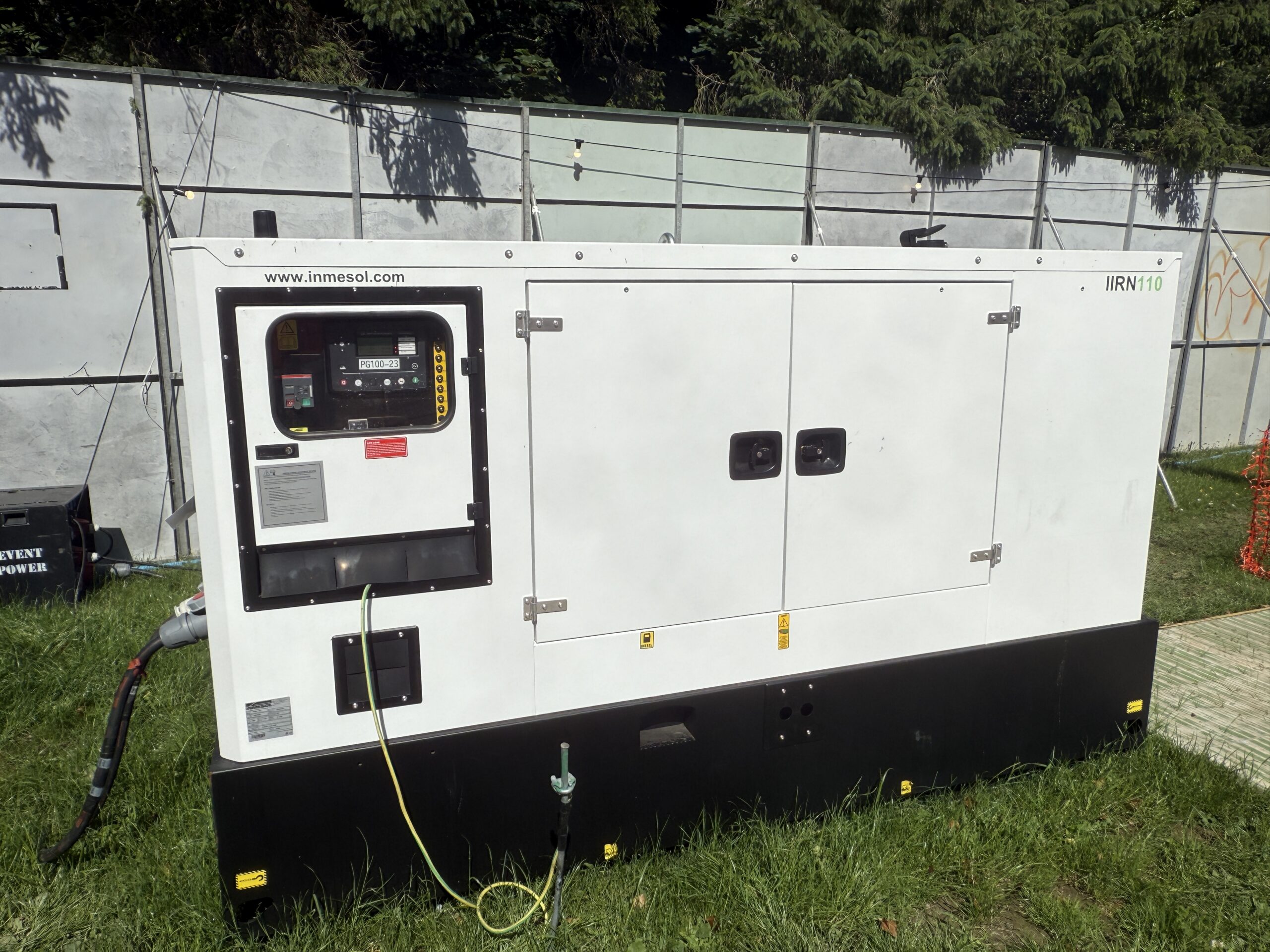
For the technical detail behind all of this, the body-of-reference standard is BS 7909, the code of practice for temporary electrical systems at events, read alongside the IET wiring regulations. It is written for the electrically competent person rather than for an organiser, so it is not light reading, but it is the authoritative source the responsible person on your site should be working to.
The IET also publishes a plain-language Guide to Temporary Electrical Systems that explains the principles in more accessible terms.
Where We Fit
On the events where we hold the build and break safety responsibility, the electrical system is part of what we oversee.
That means making sure a competent person owns it, the certification is in place, and the cable and generators on the ground match what was designed. We do not test the distribution ourselves. Our job is to make sure the person who should have tested it actually has.
If you are planning an event with significant temporary power and you want it overseen properly, our Event Safety service is built for exactly that. Get in touch and we will talk it through.
Frequently Asked Questions
What does electrical safety on an event site cover?
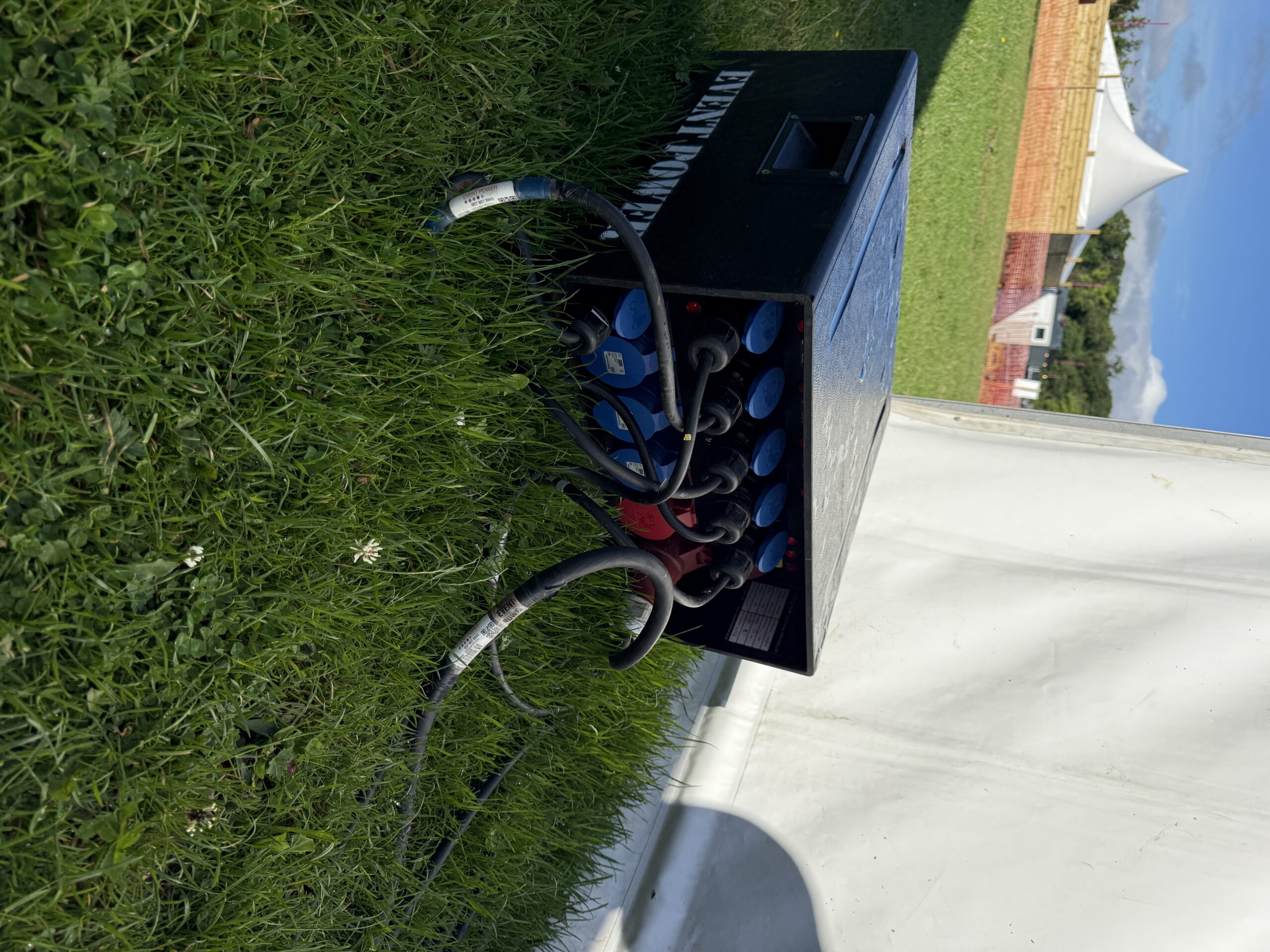
It covers the temporary power that runs the event: generators, distribution boards, three-phase supplies and the cabling that connects everything, plus the equipment vendors and performers bring on site. The two risks it manages are electric shock to workers and attendees, and fire starting in an overloaded or damaged installation.
Is a regular electrician qualified to do event power?
Not necessarily. Temporary event power has demands a domestic or commercial electrician may never have met, including generator earthing and outdoor distribution that goes up fast and lives in the weather. The person running it needs to understand temporary event systems specifically, not simply hold a general electrical qualification.
Why does earthing matter so much with generators?
When a generator feeds a temporary system, the earth has to be created on site, because there is no building to inherit it from. If it is arranged wrongly, the protective devices that are meant to trip on a fault may not operate when someone needs them to. The technical side is the competent person’s job, but siting generators safely and keeping them ventilated is visible to anyone.
What should I ask a contractor for to prove the electrics are safe?
Ask who the electrically competent person responsible for the whole system is, and ask to see the inspection and test certification for the distribution actually installed. Asking carries no liability and a competent contractor expects it. You do not need to understand every figure, only that the paperwork exists and covers the system on the ground.
What is the most common electrical problem on the day?
Cable. It is the most exposed part of the system and sits where people walk and vehicles drive, so damaged, wet or overloaded cabling is where faults and fires most often start. Vendor equipment is the other weak point, because it arrives from many sources and plugs into your distribution, which is why it needs test evidence and a visual check before it is energised.