Did the pandemic impact crowd behaviour?
Following our recent look at crowd behaviour after this year’s Ryder Cup event, a question came to mind: did the COVID‑19 pandemic lockdowns reset how people behave in crowds, or just expose what was already changing?
Mark in here explored this in a recent 2-Minute Thought video over on LinkedIn that you can check out too.
When we talk about crowd behaviour at live events, we tend to focus on the moment: a heckle, a thrown object, a burst of aggression.
But it’s worth looking at the broader backdrop to see if there is a root cause.
The pandemic period disrupted how we socialised, how we learned to behave in groups, and for many, how we got our dopamine hits.
That makes a difference when crowds gather again.
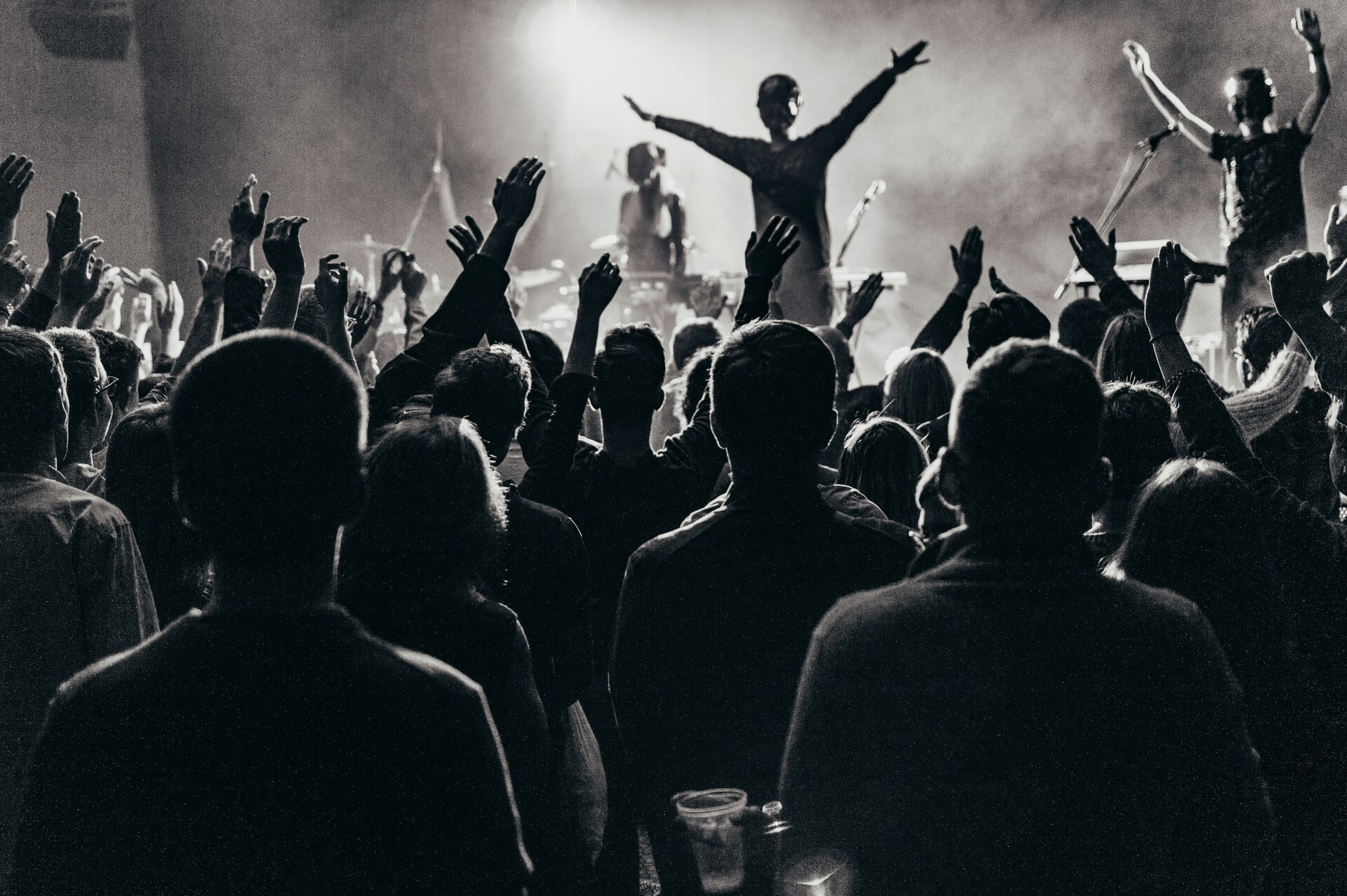
Social norms took a hit
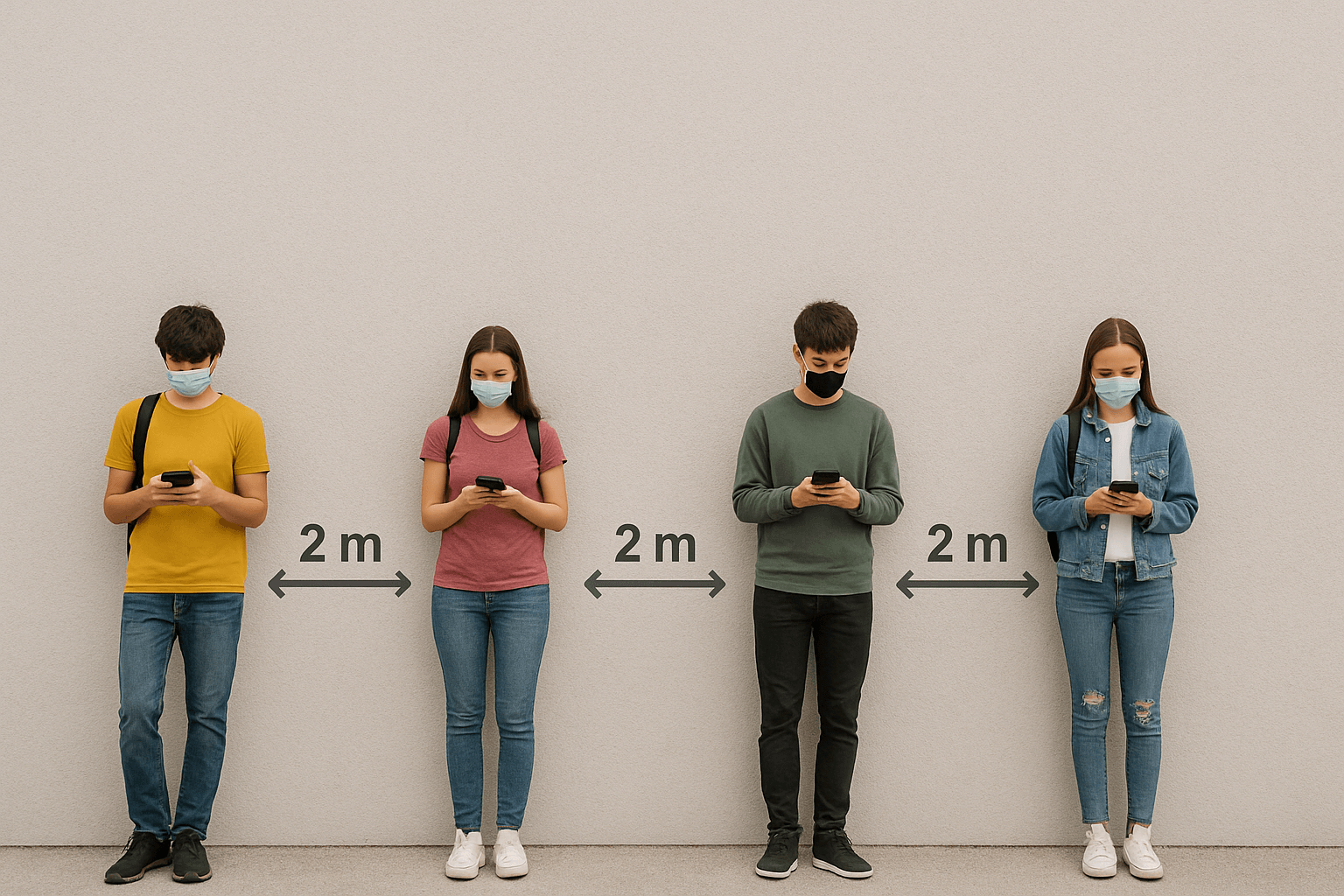
Research shows that the pandemic, with lockdowns, social distancing, remote work, and reduced face-to-face interaction, changed more than our daily routines. It altered the way people, particularly younger people, learned social cues.
During and after the pandemic, kids had less direct peer interaction and fewer “in-the-crowd” moments in those formative years.
Considering people didn’t get the usual chance to mix, observe, and adjust, it’s logical to ask if missing out on these years of development had anything to do with changes in crowd behaviour.
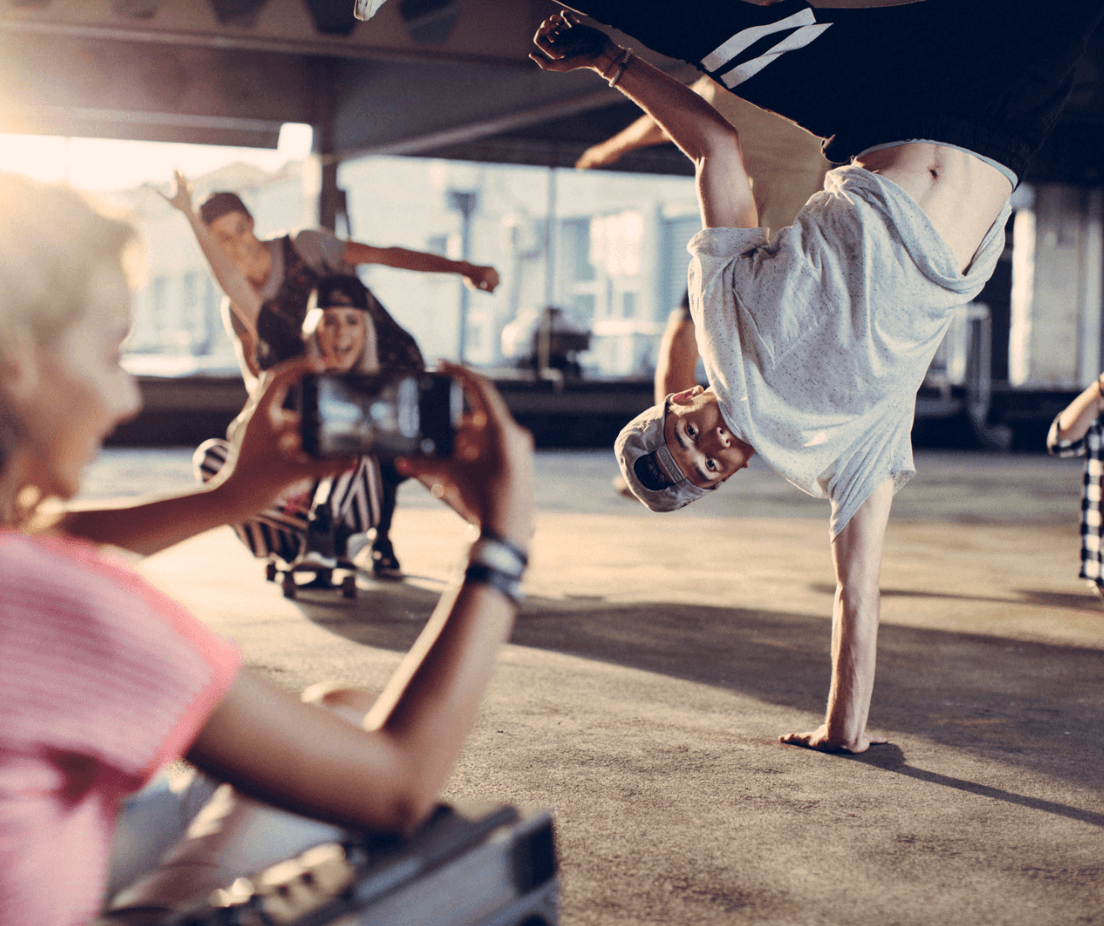
The “viral moment” factor
Another factor that stemmed from this timeframe is how people (again, mostly younger people) live their lives online now more than ever before.
The pandemic accelerated digital socialising and screen time to the point where nowadays, people are always looking for a moment to record and share in the hopes of going viral.
Their brains have been rewired to think that the only way to produce dopamine is to create a post that generates a lot of ‘likes’.
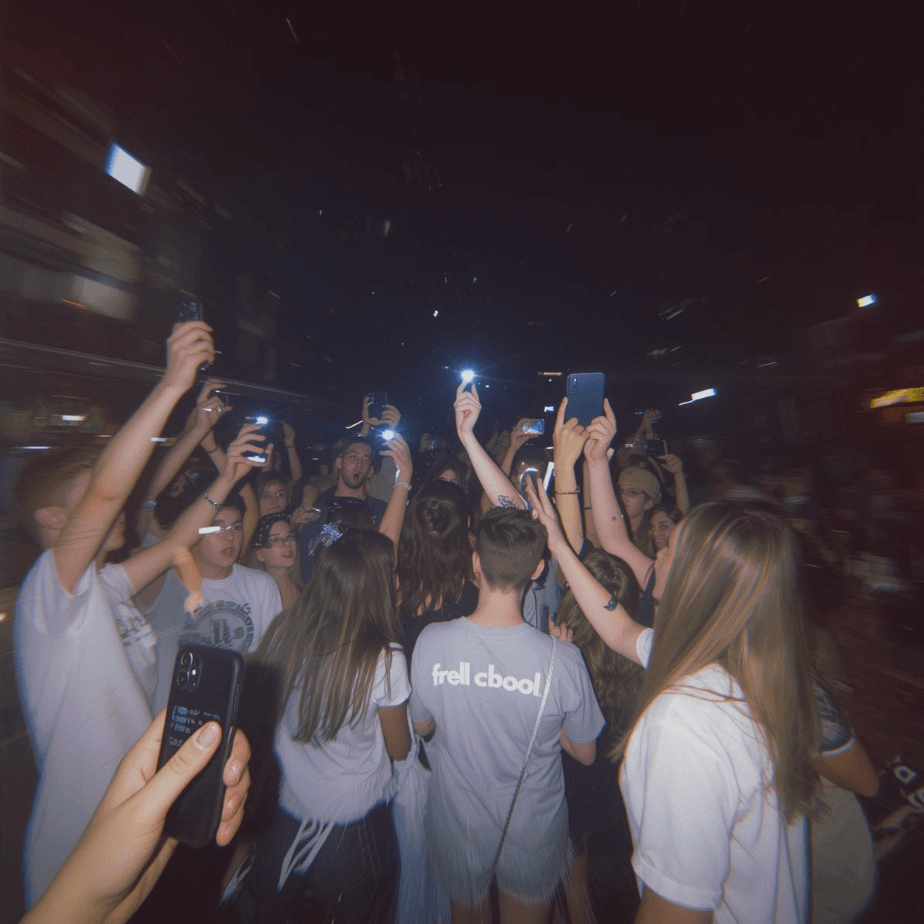
So now, when people attend live events, some aren’t going just to be part of the crowd.
They are there to perform for the crowd (or their phone).
The desire for attention and the impulse to catch a shareable moment has shifted their behaviour.
Unfortunately, viral posts and content ride on ‘high-arousal triggers’: surprise, outrage, conflict.
This new perception of social norms has shifted what is seen as acceptable.
If a heckle is recorded and shared, it becomes more visible. This leads to a feedback loop where boundary-pushing behaviour seems normalised.
The more this behaviour is amplified (online or in social groups), the more others can start to see it as acceptable or attention-worthy.
There have been many articles in recent years discussing how musicians like Billie Eilish, Nicki Minaj, Kid Cudi, and Harry Styles have been hit in the face by thrown objects while performing on stage, some even calling a showstop because of it.
Disturbingly, it seems like this became a trend for a while.
What this means for event organisers
There are two takeaway points worth thinking about:
- Norms need reinforcement. Because social rehearsal was disrupted, the invisible rules of crowd behaviour are less taken for granted. Clear messaging, visible stewarding and early intervention matter more now.
- Design for cameras and performance. It’s no longer just a crowd of spectators; some will also be content creators. One option would be to go the Berlin route and cover attendees’ cameras as they enter. Alternatively, it could be worth planning influencer-only areas with dedicated recording zones.
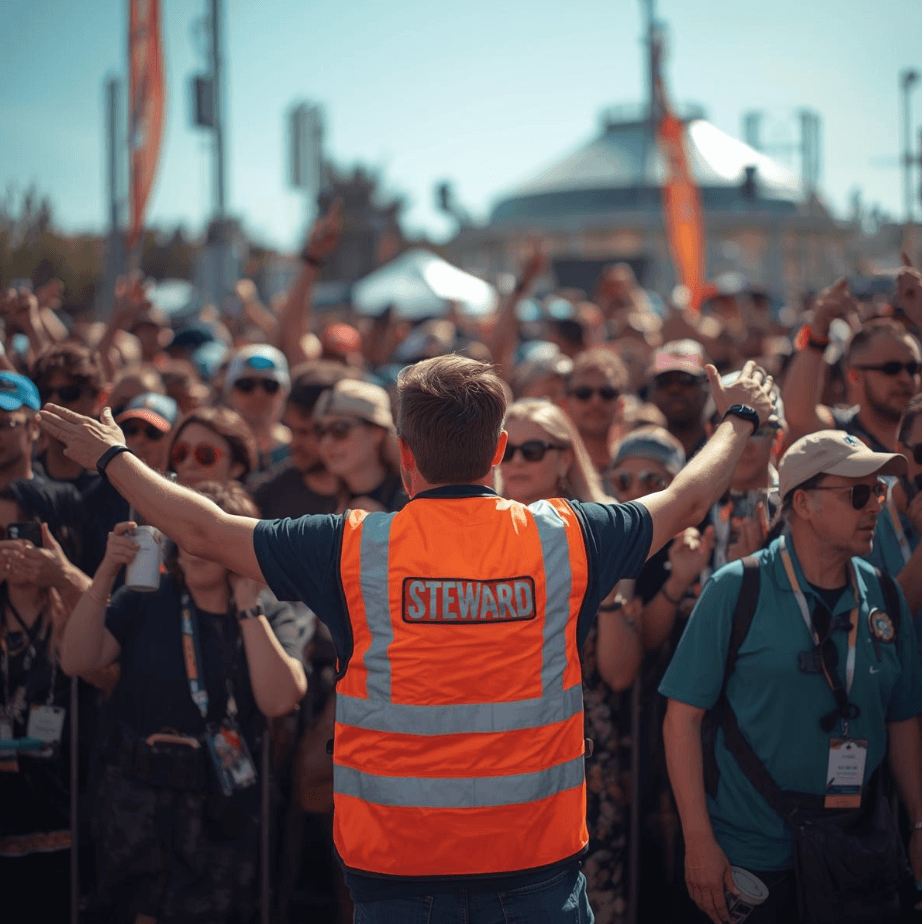
It feels like we’re in the middle of a behavioural reset, and understanding it could be key to designing safer, smarter, and more positive event spaces.
We’re curious to hear what others are noticing, too.
Are these shifts showing up in your events, or are we just seeing the loudest moments go viral?